Introduction
Knitting and tie-dye are two timeless textile techniques celebrated for their flexibility, creativity, and artistic freedom. Not only do they make fabrics comfortable and stylish, but they also allow designers and artisans to express individuality in every piece. Moreover, when combined with vegetable-based and natural dyes, these methods become even more eco-friendly and sustainable.
For centuries, cultures around the world have practiced knitting and tie-dye as both functional crafts and artistic traditions. Today, their popularity continues to grow as consumers seek ethical, handmade, and environmentally responsible fashion. Communities such as
Global Spiritual Community also emphasize mindful living, creativity, and sustainability as part of a conscious lifestyle.
Knitting Products: Naturally Flexible
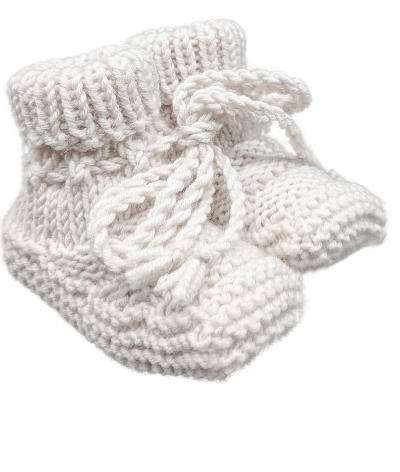
Knitting is a fabric-making technique that involves looping yarn together to create soft, stretchable, and warm materials. Unlike woven fabrics, knitted textiles naturally stretch and adapt to movement. As a result, they are ideal for clothing, accessories, and winter wear.
Why Is Knitting Flexible?
- Stretchy and Comfortable: Knitted fabrics provide natural elasticity, allowing ease of movement.
- Soft and Breathable: Air flows through looped stitches, making garments comfortable year-round.
- Warm and Cozy: The layered structure traps heat, offering excellent insulation.
- Customizable: Various yarns, stitch patterns, and textures enable endless design creativity.
- Durable and Repairable: Damaged stitches can be re-looped, extending product lifespan.
Brands like
100% Handmade Cashmere from Nepal / Lomanthang Cashmere showcase how premium knitting craftsmanship and ethical production can create luxurious, long-lasting products.
Tie-Dye: Creative and Free
Tie-dye is a dyeing method where fabric is twisted, tied, or folded before being colored. This technique produces vibrant, one-of-a-kind patterns, ensuring that no two pieces look exactly the same. Furthermore, tie-dye holds cultural significance across many regions and traditions.
Why Is Tie-Dye Flexible?
- Unique Designs: Every piece features original, artistic patterns.
- Works on Multiple Fabrics: Cotton, silk, wool, and linen absorb dyes effectively.
- Eco-Friendly Option: Natural dyes reduce pollution and chemical waste.
- Cultural and Artistic Value: Tie-dye remains popular in festivals, crafts, and fashion.
- DIY-Friendly: The simple process makes it accessible for home creators.
Vegetable and Natural Dyes: Eco-Friendly Colors
Natural dyes come from plants, flowers, roots, and minerals, making them a sustainable alternative to synthetic chemicals. In addition to producing earthy and elegant tones, they preserve traditional dyeing techniques and support eco-conscious fashion.
Examples of Natural Dyes
- Indigo (Blue): Extracted from the indigo plant.
- Turmeric (Yellow): Produces bright golden hues.
- Madder Root (Red): Creates red and pink tones.
- Pomegranate Peel (Brown): Offers soft, earthy shades.
- Tea & Coffee (Light Brown): Produces warm beige tones.
- Hibiscus (Purple): Generates purple or lavender hues.
- Onion Skins (Orange): Produces rich golden-orange colors.
SWOT Analysis of Knitting and Tie-Dye
| Factor | Knitting | Tie-Dye |
|---|---|---|
| Strengths | Soft, stretchy, warm, durable, unique patterns | Bright colors, creative, eco-friendly, DIY-friendly |
| Weaknesses | Time-consuming, requires skill, may lose shape | Colors may fade, messy process, fabric prep needed |
| Opportunities | Growing demand for handmade and sustainable fashion | Rising interest in eco-fashion and DIY culture |
| Threats | Competition from machine-made fabrics | Synthetic dyes and mass-printed designs |
Key Features of Knitting and Tie-Dye
- Handmade and Unique: Each item carries a personal, artistic touch.
- Eco-Friendly Choice: Natural fibers and dyes reduce environmental impact.
- Soft and Comfortable: Knitted textiles adapt easily to body movement.
- Culturally Meaningful: Both techniques preserve heritage and craftsmanship.
Digital Presence for Sustainable Textile Brands
To promote handmade and eco-friendly textile products effectively, having a strong online presence is essential. Partnering with
Website design in Nepal helps brands create professional, modern, and engaging websites. Additionally, choosing
Best hosting in Nepal ensures reliable performance, speed, and security for online platforms.
Conclusion
In conclusion, knitting and tie-dye offer a perfect blend of flexibility, creativity, and sustainability. When paired with natural dyes, these techniques become powerful tools for eco-friendly fashion and ethical craftsmanship. By embracing traditional textile methods and promoting conscious production, brands and creators can contribute to a more sustainable and artistic future.