
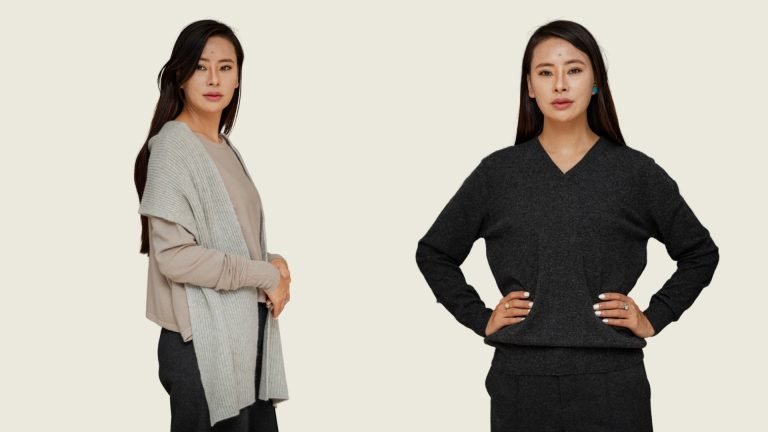
Natural Fibers and Skin Cancer Prevention
Skin cancer is one of the most common cancers worldwide, mainly caused by long-term exposure to harmful ultraviolet (UV) rays from the sun. While sunscreen is widely used for protection, many people overlook the powerful role clothing can play in shielding the skin. Interestingly, natural fibers such as cashmere, silk, cotton, yak wool, and merino wool offer varying levels of UV protection.
Moreover, choosing the right fabric not only enhances comfort and style but also helps reduce the risk of UV damage. In this article, we explore how natural fibers protect against UV radiation, what scientific research reveals, and how you can make smarter clothing choices for skin cancer prevention. Mindful lifestyle communities like
Global Spiritual Community also promote health-conscious and sustainable living practices.
Understanding UV Radiation and Skin Cancer
The sun emits several types of radiation, but ultraviolet (UV) rays are the most harmful to the skin. Over time, UV exposure can damage skin cells, leading to sunburn, premature aging, and increased skin cancer risk.
Main Types of UV Rays
- UVA Rays: Penetrate deep into the skin, causing aging and long-term damage.
- UVB Rays: Affect the skin’s outer layers and are the primary cause of sunburns and skin cancer.
Therefore, reducing exposure to these rays especially through protective clothing is a practical and effective prevention strategy.
How Natural Fibers Protect Against UV Radiation
1. Cotton
Cotton is one of the most widely used natural fibers. However, regular white cotton has a relatively low UPF (Ultraviolet Protection Factor) of 5–15, meaning some UV rays can pass through. In contrast, darker or naturally pigmented cotton absorbs more UV radiation. Additionally, tightly woven cotton fabrics provide significantly better sun protection.
2. Silk
Silk is lightweight, smooth, and breathable. Although it offers moderate UV protection (UPF 10–20), darker shades or UV-treated silk fabrics can improve protection. Furthermore, layering silk garments enhances UV resistance.
3. Wool
Wool naturally offers high UV protection due to its dense fiber structure. Its UPF ranges between 20–50, making it one of the best natural barriers against harmful rays.
- Merino Wool: Fine, soft, breathable, and offers UPF 30–50.
- Yak Wool: Similar to merino wool, providing excellent insulation and UV protection.
4. Cashmere
Cashmere, derived from the undercoat of cashmere goats, offers superior UV-blocking capabilities thanks to its dense structure and natural oils. It remains lightweight, breathable, and luxuriously soft while protecting the skin. Brands like
100% Handmade Cashmere from Nepal / Lomanthang Cashmere demonstrate how premium craftsmanship and natural protection can coexist beautifully.
Additional Benefits of Natural Fibers
Comfort and Breathability
Cotton, silk, and cashmere allow airflow, keeping skin cool in warm weather. Meanwhile, wool and yak wool provide warmth in colder climates.
Moisture-Wicking and Temperature Regulation
Merino and yak wool absorb moisture while keeping the body dry. Similarly, silk and cashmere regulate temperature, offering year-round comfort.
Hypoallergenic and Skin-Friendly
Silk and cotton are gentle on sensitive skin. Additionally, lanolin in wool and cashmere provides antibacterial properties.
Sustainability and Eco-Friendliness
Natural fibers are biodegradable and environmentally sustainable. Ethical sourcing of wool and yak wool further supports eco-conscious fashion.
Scientific Research on Natural Fibers and UV Protection
Scientific studies support the UV-protective benefits of natural fabrics. A 2020 study published in the Journal of Photochemistry and Photobiology found that wool especially darker shades offers higher UV protection than cotton and silk.
Furthermore, the Skin Cancer Foundation recommends clothing with a UPF rating of at least 30. Wool, cashmere, and treated cotton fabrics consistently meet this standard. Research also indicates that natural plant-based dyes like turmeric and indigo can enhance a fabric’s UV-blocking ability.
Best Clothing Choices for Sun Protection
- Choose Dark and Tightly Woven Fabrics: Darker colors and denser weaves block more UV rays.
- Look for UPF Ratings: UPF 30–50+ clothing offers strong protection.
- Wear Long Sleeves and Hats: Covering more skin reduces UV exposure.
- Use Naturally Dyed Fabrics: Indigo and turmeric dyes enhance protection.
- Layer Clothing: Multiple layers increase UV resistance.
Build a Sustainable and Protective Fashion Brand
If you promote natural-fiber fashion or sun-protective clothing, a strong online presence matters. Partnering with
Website design in Nepal helps build a professional brand identity. Additionally, reliable hosting from
Best hosting in Nepal ensures fast, secure, and high-performing websites.
Conclusion
Natural fibers such as cashmere, wool, cotton, yak wool, merino wool, and silk provide meaningful protection against harmful UV radiation. While wool and cashmere offer the highest natural UPF, cotton and silk can also be effective when tightly woven, dyed naturally, or layered properly.
By making informed clothing choices and embracing sustainable fabrics, you can significantly reduce sun damage and lower the risk of skin cancer all while supporting eco-friendly fashion and long-term skin health.